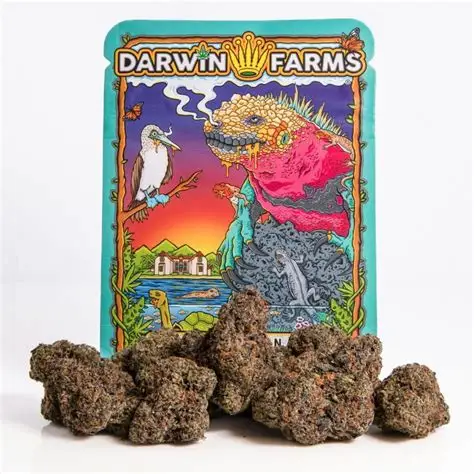
Darwinfarms Strains: 18 Powerful Cannabis Strains to Explore Looking for Darwinfarms Strains? Darwin Farms brings together a diverse collection of modern cannabis flower, including exotic hybrids, fruity profiles, dessert-style strains, candy-forward varieties, and distinctive terpene-driven options. The collection is designed for adult cannabis consumers who want to explore different strain names, aromas, flavors, appearances, and overall profiles in one place. From Biscotti and Gelato varieties to Rainbow Runtz, RS11, Zoap, Gushers, and Black Cherry Gelato, the Darwin Farms collection covers a wide range of modern cannabis genetics. You can explore the complete Darwin Farms Strains directory or visit the Darwin Farms homepage to discover the wider collection. What Are Darwinfarms Strains? Darwinfarms Strains refers to the cannabis flower collection available through Darwin Farms. Rather than focusing on one particular cannabis type, the collection includes different strain identities and flavor directions. The current collection includes 18 listed strains, ranging from familiar names such as Gelato 33 and Gelato 41 to modern exotic varieties such as Zoap, Sudz, Sugar High, and Code Red. Because every strain can have a different genetic background and chemical profile, the best way to compare them is to look beyond the name. Aroma, flavor, terpene profile, cannabinoid content, appearance, and available laboratory information can all provide useful context. Complete Darwin Farms Strains List The current Darwin Farms strain directory includes: Biscotti Gelato Cake Gelato 33 Gushers Sherblato Rainbow Sherbet Jetlato RS11 Lemon Cherry Gelato Gelato 41 Rainbow Runtz Sudz Code Red Juice Bomb Black Cherry Gelato Sugar High Frozen Gelato Zoap The collection can change as products are added, updated, or become unavailable, so the Darwin Farms Strains directory is the best place to see the current lineup. Darwin Farms Gelato Strains Gelato-related genetics have become a major part of modern cannabis culture, particularly among consumers interested in sweet, creamy, fruity, and dessert-style profiles. Darwin Farms includes several strains associated with this flavor and genetic direction: Gelato 33 Gelato 41 Gelato Cake Frozen Gelato Jetlato These names should not be assumed to have identical effects or chemical profiles simply because they contain the word “Gelato.” Individual cultivars can differ considerably in cannabinoid and terpene composition. Darwin Farms Fruity Strains Fruit-forward cannabis profiles are often associated with sweet, citrus, berry, tropical, or candy-like aromas. Several Darwin Farms strains fit naturally into this broader flavor category, including: Juice Bomb Gushers Lemon Cherry Gelato Black Cherry Gelato Rainbow Runtz Rainbow Sherbet Flavor descriptions are useful for comparing strains, but they should not be treated as guarantees. Aroma and flavor can change according to cultivation, curing, storage, terpene composition, and individual perception. Darwin Farms Candy and Dessert Strains Some modern cannabis varieties are particularly associated with candy, bakery, creamy, or dessert-style aromas. Biscotti, Gelato Cake, Gelato 41, Sugar High, Rainbow Runtz, and Sherblato are examples within the wider Darwin Farms collection that appeal to consumers interested in these types of profiles. For example, Biscotti is commonly associated with sweet and dessert-like characteristics, while Gelato-derived varieties are often discussed in connection with creamy or sweet aromatic profiles. Rather than assuming that every dessert-style strain produces the same experience, compare the individual product description and available cannabinoid or terpene information. Darwin Farms Exotic Strains The term exotic cannabis strain is generally used to describe varieties with distinctive genetics, unusual aroma profiles, visually striking flowers, or particularly recognizable flavor characteristics. Within the Darwin Farms collection, strains such as RS11, Zoap, Sudz, Rainbow Runtz, Jetlato, and Black Cherry Gelato fit naturally into the modern exotic-flower category. However, “exotic” is primarily a descriptive and marketing term rather than a scientific classification. It does not automatically indicate a particular THC level or effect. Popular Darwin Farms Strains to Explore 1. Biscotti Biscotti is a dessert-style cannabis strain associated with sweet, rich, and earthy flavor characteristics. It is particularly relevant for consumers who enjoy bakery-inspired cannabis profiles. Explore Biscotti 2. Gelato 33 Gelato 33 is one of the recognizable Gelato-related strain names and is commonly associated with sweet, creamy, and aromatic cannabis profiles. Explore Gelato 33 3. Gelato 41 Gelato 41 is another well-known modern hybrid with a reputation for distinctive aroma, flavor, and dense flower characteristics. Explore Gelato 41 4. Gushers Gushers belongs to the modern dessert and fruit-forward side of cannabis culture. Its name is commonly associated with sweet, fruity, and candy-like flavor expectations. Explore Gushers 5. Rainbow Runtz Rainbow Runtz is associated with colorful, sweet, fruity, and candy-style cannabis profiles, making it a natural choice for consumers exploring modern exotic flower. Explore Rainbow Runtz 6. Lemon Cherry Gelato Lemon Cherry Gelato combines the recognizable Gelato naming style with a fruit-forward identity. It is particularly relevant to consumers looking for citrus, cherry, sweet, and dessert-inspired profiles. Explore Lemon Cherry Gelato 7. Black Cherry Gelato Black Cherry Gelato is another fruit-forward Gelato-style variety. Its name points toward a combination of cherry and dessert-inspired characteristics. Explore Black Cherry Gelato 8. RS11 RS11 is a modern exotic strain known for its distinctive name and recognizable Rainbow Sherbet-related identity. It is particularly relevant to consumers researching colorful, aromatic hybrid flower. Explore RS11 9. Zoap Zoap has developed a distinctive identity around sweet, floral, candy-like, and unusual aromatic characteristics. It is one of the more modern names in the Darwin Farms collection. Explore Zoap 10. Sudz Sudz represents another modern exotic-style profile, with a name and identity that distinguish it from more traditional strain names. How to Compare Darwinfarms Strains Choosing between cannabis strains is more useful when you compare several characteristics rather than relying only on the strain name. Genetics Genetics provide information about a strain’s lineage and can help explain why related cultivars share certain characteristics. Terpenes Terpenes contribute significantly to cannabis aroma and flavor. Different terpene combinations can create citrus, floral, fruity, earthy, spicy, or fuel-like aromatic profiles. Cannabinoids THC and other cannabinoids can vary considerably between cultivars and batches. When available, laboratory results provide more useful information than assuming potency from a strain name. Aroma and Flavor Aroma is one of the easiest ways to distinguish […]
Author Archives: DARWIN FARMS
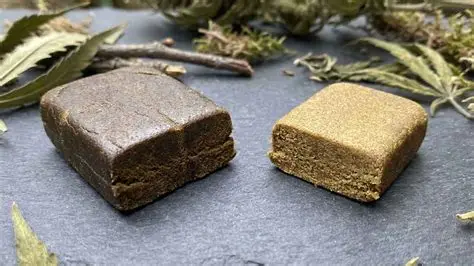
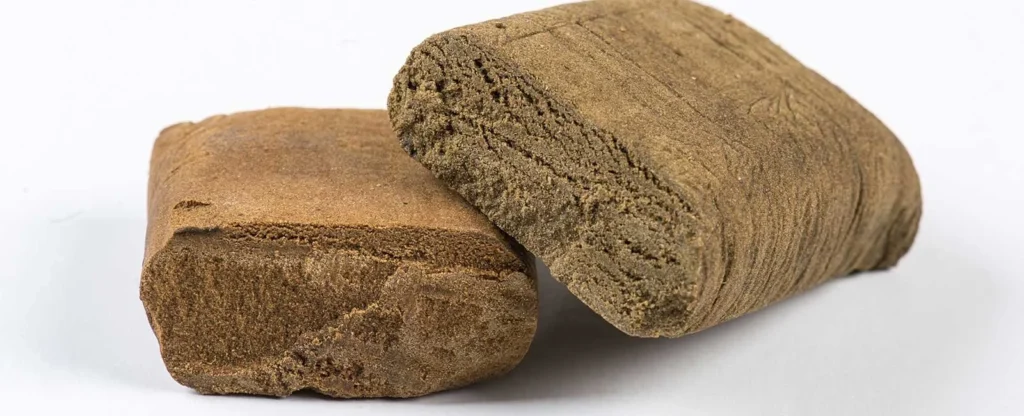
What Is Static Hash? 7 Powerful Facts About Static Sift What is Static Hash? Static Hash is a highly refined form of dry-sift cannabis concentrate in which electrostatic charge is used to help separate resin-rich trichome heads from unwanted plant material. Rather than relying on water or chemical solvents, the process builds on traditional dry sifting and uses differences in the electrical properties of cannabis particles to achieve a cleaner trichome-rich fraction. The term has become increasingly common among people researching high-quality hash, solventless concentrates, and modern cannabis processing. However, Static Hash is often misunderstood. It is not simply another name for ordinary kief, nor is it exactly the same as traditional dry sift. This guide explains how Static Hash works, what makes it different from other forms of hash, why trichomes matter, what determines quality, and what current scientific research tells us about electrostatic trichome separation. Readers who want to explore how Static Hash fits into a broader range of cannabis products can also visit Darwin Farms. What Is Static Hash? Static Hash is generally understood as dry-sift cannabis material that has undergone an additional purification stage using static electricity. The starting material is usually dry sift. During dry sifting, cannabis material is mechanically agitated over fine screens, allowing small particles—including detached trichome heads—to pass through. The sifted material may still contain: Glandular trichome heads Trichome stalks Small fragments of leaf material Plant dust Other microscopic particles Static separation is then used to distinguish more desirable resin-bearing particles from some of the remaining plant material. The result can be a much cleaner and more trichome-dominant material than ordinary unrefined dry sift. What Does “Static” Mean in Static Hash? The word static refers to static electricity, or more specifically the electrical charges that can develop on different particles. When materials contact or rub against one another, electrons can move between their surfaces. This phenomenon is known as triboelectric charging. Different materials can acquire different electrical charges. Static-tech hash processing takes advantage of these differences to help separate cannabis trichomes from fragments of plant biomass. A 2025 study published in the Journal of Cannabis Research examined the electrical properties of cannabis trichomes and plant biomass. The researchers reported measurable differences in particle charge and investigated how electrostatic forces could be used to separate trichomes from unwanted plant material. You can read the peer-reviewed research through Journal of Cannabis Research. What Are Cannabis Trichomes? Understanding what Static Hash is becomes much easier once you understand trichomes. Trichomes are tiny structures found on the surface of cannabis flowers and surrounding plant material. Some glandular trichomes contain significant concentrations of cannabinoids, terpenes, and other plant compounds. Under magnification, mature glandular trichomes often resemble tiny stalks topped by rounded resin glands. These glandular heads are especially important in hash production because hash-making methods generally aim to separate and concentrate resin-bearing material from the rest of the plant. How Does Static Hash Work? At a basic level, Static Hash production involves two stages: Mechanical separation produces dry sift containing trichomes mixed with smaller amounts of plant matter. Static refinement uses electrical differences between particles to improve separation. The scientific principle is more interesting than simply saying that static electricity “picks up” trichomes. Research published in 2025 found that cannabis plant biomass and trichome-rich particles could develop different electrical charges. The researchers observed that plant biomass tended toward positive charge while trichome-containing fractions demonstrated negative electrical characteristics under the experimental conditions. Those differences mean charged particles can respond differently when subjected to electrostatic forces. Traditional manual static techniques use relatively simple materials and surface interactions. More advanced electrostatic systems can use controlled electric fields to achieve similar separation principles on a larger scale. Is Static Hash the Same as Dry Sift? No. The terms are closely related, but they are not necessarily interchangeable. Dry sift refers to trichome-rich material produced by mechanically separating dried cannabis through screens. Static Hash generally refers to dry sift that has been further cleaned or refined using electrostatic separation. A simple way to understand the relationship is: Cannabis flower → dry sifting → dry sift → static refinement → cleaner Static Hash Therefore, static processing can be considered an additional refinement step rather than an entirely unrelated form of hash production. Static Hash vs Dry Sift Characteristic Static Hash Dry Sift Starting material Usually refined dry sift Dried cannabis flower/material Main separation principle Electrostatic refinement Mechanical screening Water required No No Solvents required No No Primary goal Increase trichome purity Separate trichomes from plant material Plant contamination Potentially lower after refinement Depends heavily on sifting quality The major difference therefore comes down to refinement and purity rather than simply the original cannabis material. Static Hash vs Bubble Hash Static Hash and bubble hash both aim to separate cannabis trichomes, but they approach the task differently. Static Hash Static Hash is part of the dry-processing family. It generally begins with dry sift and uses static or electrostatic forces as part of the refining process. Bubble Hash Bubble hash—often called ice-water hash—uses cold water, ice, agitation, and filtering bags or screens to separate trichomes from cannabis plant material. Both techniques avoid traditional hydrocarbon solvents, but one operates primarily as a dry process while the other depends on water-based separation. Static Hash vs Traditional Hash Traditional hash-making techniques have existed for centuries and vary significantly by region. Some methods involve collecting resinous material and then pressing, rolling, heating, or otherwise processing it into blocks or balls. Static Hash reflects a more modern emphasis on particle separation and trichome purity. That does not automatically mean that every Static Hash product is superior to every traditional hash. Quality depends on factors such as: Starting material Trichome maturity Plant contamination Processing conditions Storage Temperature Handling Final purity Why Is Trichome Purity Important? A primary objective of refined hash production is usually to increase the proportion of glandular resin material relative to ordinary plant tissue. If a sifted sample contains large quantities of shredded leaf material, it may […]
Zoap Strain Effects: 7 Powerful Facts About This Unique Hybrid Zoap strain effects are one of the biggest reasons this modern hybrid has attracted attention among cannabis enthusiasts. Known for its unusual combination of sweet, fruity, floral and soap-like aromas, Zoap offers a distinctive profile that separates it from more conventional cannabis strains. But what does Zoap actually feel like? Is Zoap indica or sativa? What are its genetics, THC levels, terpenes, flavor and aroma? And how does Zoap compare with other popular exotic strains? This guide takes an informational look at Zoap strain effects, genetics, reported characteristics, terpene profile, flavor, potency and modern cannabis classification. If you’re researching the strain and want to see the current Darwin Farms product, you can also explore the Darwin Farms Zoap strain page. What Is the Zoap Strain? Zoap is a modern cannabis hybrid commonly associated with a cross between Rainbow Sherbet and Pink Guava. The strain was bred by DEO Farms and became known for an unusual combination of sweet, fruity, floral and soap-like aromatic characteristics. Leafly currently lists Zoap as a hybrid and displays 21% THC and 1% CBG on its strain profile. Its current consumer-reported effects include relaxed, giggly and hungry, while its leading reported flavors include apricot, chemical and apple. Leafly lists caryophyllene, limonene and humulene among its leading terpenes. The strain is particularly distinctive because its name reflects one of its most unusual sensory characteristics: a clean, floral, almost soap-like aroma that can appear alongside sweet fruit, citrus, earth and gas-like notes. Zoap Strain Effects: The Short Answer Based on current consumer reports, the leading Zoap strain effects include: Relaxed Giggly Hungry Euphoric Happy Tingly Leafly’s current profile identifies relaxed, giggly and hungry as the top reported effects. Dry mouth, dizziness and dry eyes are among the negative effects reported by users. These are consumer-reported experiences, not guaranteed effects. Cannabis can affect different people differently depending on factors such as cannabinoid concentration, terpene composition, amount consumed, tolerance, consumption method and individual physiology. 7 Powerful Things to Know About Zoap Strain Effects 1. Zoap Is Commonly Reported as Relaxing Relaxation is currently the most prominent effect associated with Zoap in Leafly’s consumer-reported data. However, reports do not necessarily describe Zoap as purely sedating. Some users describe feeling relaxed while remaining social, focused or mentally engaged. This makes Zoap particularly interesting as a modern hybrid because its reported character does not fit neatly into the simplistic idea that every relaxing strain must be a heavy indica. Individual responses can vary significantly, so the strain label should not be treated as a guarantee of relaxation. 2. Giggly and Euphoric Experiences Are Commonly Reported Another notable aspect of Zoap is its association with positive mood descriptions. Consumer reports commonly include: Giggly Happy Euphoric Uplifted Social These descriptions help distinguish Zoap from cannabis varieties that consumers primarily describe as heavy or sleepy. However, these are subjective reports rather than predictable outcomes. The same cannabis strain can feel different to different people. 3. Increased Appetite Is One of the Reported Effects Hungry is another leading consumer-reported Zoap effect. Appetite changes are commonly discussed in cannabis culture, but they should not be interpreted as a medical benefit or a guaranteed response. For Zoap specifically, the appetite-related description comes from consumer reporting rather than controlled clinical evidence. 4. Some Consumers Report a Tingly Sensation Tingling is another effect that appears in Zoap consumer reports. Some reviewers describe a physical sensation occurring alongside relaxation and euphoria, while others emphasize the mental or social side of the experience. This variation demonstrates why there is no single universal description of what Zoap feels like. 5. Zoap Has an Unusually Distinctive Flavor Profile One of Zoap’s defining characteristics is its aroma and flavor. Current strain information associates Zoap with combinations of: Sweet fruit Floral notes Apricot Apple Citrus Earthy undertones Soap-like notes Funky or gassy character Leafly currently lists apricot, chemical and apple among its top reported flavors. Other Zoap descriptions emphasize sweet fruit, sharp herbal notes, soap, guava and subtle gas. This variation is normal because phenotype, cultivation and curing can influence the final sensory profile. 6. Zoap Has a Distinctive Hybrid Genetic Background The commonly reported Zoap lineage is: Rainbow Sherbet × Pink Guava Leafly identifies Zoap as a hybrid bred by DEO Farms and describes its development through the Rainbow Sherbet line and Pink Guava selections. This genetic background helps explain why Zoap can combine fruit-forward sweetness with floral, herbal and unusual soap-like characteristics. 7. The Strain Name Cannot Guarantee a Specific Experience This is one of the most important points when researching Zoap strain effects. A strain name can tell you about a cultivar’s identity and reported lineage, but it does not guarantee an identical chemical profile in every product. Different phenotypes, cultivation environments, harvesting methods, curing processes and batches can all influence the final characteristics of cannabis flower. For that reason, cannabinoid and terpene information can provide additional context beyond the strain name itself. What Does Zoap Feel Like? Based on current consumer reporting, Zoap is commonly described as a combination of relaxation, happiness, euphoria and physical tingling. Some consumers describe it as social or uplifting, while others emphasize its calming physical character. Current Leafly data places relaxed, giggly and hungry at the top of its reported effect profile. However, there is no single guaranteed Zoap experience. Individual response depends on many variables, including the product’s chemistry and the consumer’s own tolerance and physiology. Is Zoap Indica or Sativa? Zoap is generally classified as a hybrid cannabis strain. Some descriptions characterize it as an evenly balanced hybrid, while other commercial descriptions may emphasize particular indica- or sativa-associated characteristics. The most useful interpretation is to treat “hybrid” as a description of its genetic background rather than a guarantee of a specific effect. Modern cannabis has undergone extensive crossbreeding, making traditional indica-versus-sativa categories less precise as predictors of the experience produced by an individual product. What Are the Zoap Strain Genetics? The commonly reported lineage is: […]
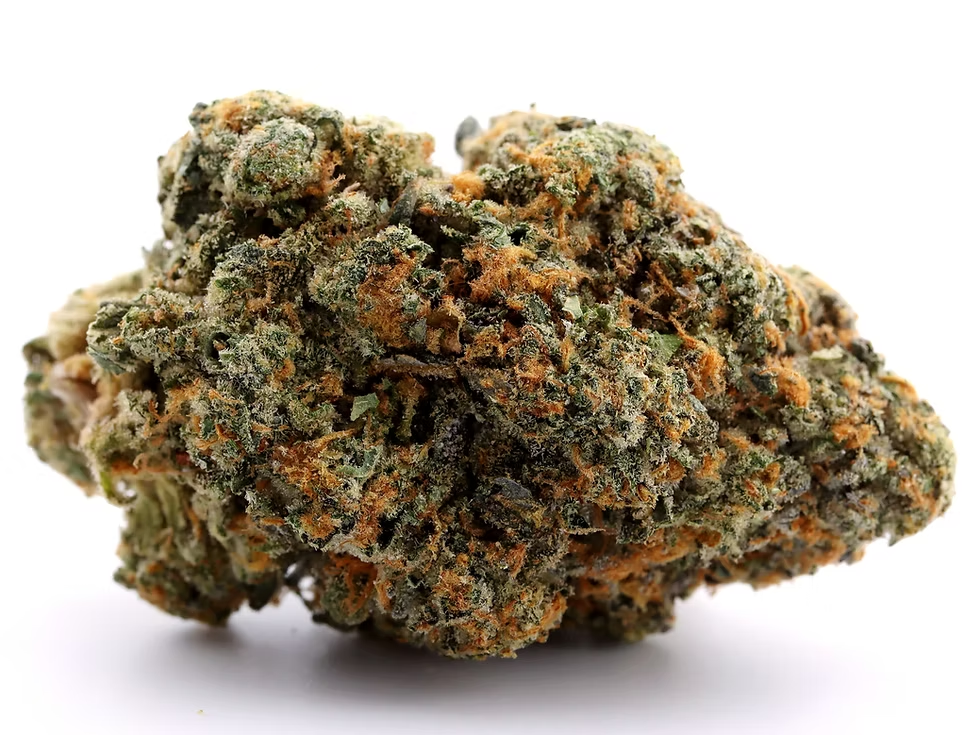
Biscotti Weed Strain: 7 Powerful Facts About Genetics, Flavor & Effects The Biscotti weed strain has become a well-known name among cannabis enthusiasts who appreciate rich dessert-style genetics, complex aroma, and a distinctive modern hybrid profile. Known for its connection to Gelato #25 and South Florida OG, Biscotti combines sweet, creamy characteristics with deeper earthy and gassy notes. But what exactly is the Biscotti strain? What are its genetics, flavor, aroma, terpenes, appearance and reported effects? And how does Biscotti compare with other popular modern cannabis strains? This guide takes an informational look at the Biscotti weed strain, including its background, genetics, traditional classification, flavor profile, terpene characteristics, reported effects and relationship to other popular hybrid strains. When you’re ready to explore the flower itself, you can also visit the Darwin Farms Biscotti product page. What Is the Biscotti Weed Strain? Biscotti is generally described as an indica-dominant hybrid cannabis strain associated with a cross between Gelato #25 and South Florida OG. Its identity comes from the combination of two very different genetic influences. Gelato #25 contributes to the sweet, creamy and dessert-like side of the profile, while South Florida OG brings deeper earthy, herbal and OG-style characteristics. Leafly currently lists Biscotti as a hybrid and identifies caryophyllene, limonene and myrcene among its leading terpenes. Leafly also reports commonly described effects including relaxed, tingly and euphoric experiences, based on consumer reports rather than a guarantee of how every person will respond. View the Biscotti strain profile on Leafly. Weedmaps likewise describes Biscotti as an indica-dominant hybrid connected with South Florida OG and Gelato #25, with reported flavor characteristics including earthy, coffee and sweet notes. Explore the Biscotti strain profile on Weedmaps. 7 Powerful Facts About the Biscotti Weed Strain 1. Biscotti Has Gelato #25 Genetics One of the most important parts of the Biscotti story is its connection to Gelato #25. Gelato #25 itself is associated with Sunset Sherbet and Thin Mint Cookies genetics, giving Biscotti a connection to one of the most recognizable dessert-style cannabis families. Gelato #25 is commonly described as a balanced hybrid with sweet, creamy, berry and citrus characteristics. Its influence helps explain why Biscotti is often associated with dessert-like aroma and flavor. This genetic relationship also makes Biscotti particularly interesting to people who enjoy modern Gelato-family strains and want to explore something with a deeper OG influence. 2. South Florida OG Gives Biscotti Its Deeper Character The second major genetic influence is South Florida OG, sometimes referred to as Sour Florida OG in strain databases. South Florida OG is associated with classic OG-style characteristics, including earthy, citrus, herbal and pungent notes. Its genetics provide a stronger contrast to the sweeter Gelato influence. The combination creates the characteristic tension that makes Biscotti interesting: sweet and creamy on one side, earthy and gassy on the other. This combination is one reason Biscotti is often positioned as a richer, more complex hybrid rather than simply another sweet cannabis strain. What Are the Biscotti Strain Genetics? The most commonly reported lineage for Biscotti is: Gelato #25 × South Florida OG There is some disagreement between cannabis databases and historical accounts regarding specific Biscotti lineage details. Leafly currently lists Gelato #25 and Sour Florida OG, while other sources have published alternative lineage information over the years. That is worth mentioning because cannabis strain names do not always function like standardized scientific cultivar names. Breeding histories can be reported differently by breeders, retailers and strain databases. A peer-reviewed analysis of commercial cannabis found that strain names and broad commercial categories can show meaningful patterns but also considerable variation in chemical profiles between products carrying the same label. The study suggests that cannabinoid and terpene information can provide more useful chemical context than relying on a strain name alone. Read the peer-reviewed research on commercial Cannabis phytochemical diversity. Is Biscotti an Indica or Sativa? Biscotti is commonly described as an indica-dominant hybrid. However, modern cannabis classification is more complicated than simply placing every strain into an indica or sativa box. Years of breeding have produced extensive hybridization, meaning many contemporary strains contain multiple genetic influences. Biscotti is a good example because its lineage already connects different modern breeding lines. For consumers, the terms indica-dominant, sativa-dominant and hybrid can provide a general description, but they should not be treated as guaranteed predictors of a specific experience. Scientific research examining commercial cannabis in the United States has found that Indica, Hybrid and Sativa labels do not consistently correspond to distinct chemical profiles. Cannabinoid and terpene composition can vary considerably between products. See the full scientific analysis on PubMed Central. Biscotti Weed Strain Appearance Biscotti is commonly associated with dense, resin-rich cannabis flowers and strong trichome coverage. Its visual character can include: Dense, compact flower structure Heavy-looking trichome coverage Deep green coloration Orange or copper-colored pistils Occasional darker or purple tones depending on phenotype and growing conditions A frosty appearance created by resin-producing trichomes Appearance can vary from one cultivation batch to another. Genetics, phenotype, growing environment, harvesting conditions, curing and storage can all influence how cannabis flower ultimately looks. What Does Biscotti Smell Like? The Biscotti strain aroma is one of its most recognizable characteristics. It is commonly associated with a combination of: Sweet cookie-like notes Earthy undertones Creamy aromas Herbal character Subtle fuel or diesel notes Spiced or peppery depth Rather than being purely sweet, Biscotti tends to have a layered aroma profile. The dessert-like side gives it its recognizable cookie identity, while the OG influence adds earthy and pungent depth. What Does Biscotti Taste Like? The Biscotti weed strain flavor is often described using dessert and savory comparisons. Commonly reported flavor descriptions include: Sweet Cookie-like Vanilla Creamy Earthy Coffee-like Nutty Spicy Leafly currently lists butter, honey and vanilla among the leading flavor descriptions reported by its users, while Weedmaps highlights earthy, coffee and sweet characteristics. This difference illustrates an important point about cannabis flavor: individual perception can vary, and the same strain can express slightly different aromatic characteristics depending on cultivation, […]
Indica vs Sativa vs Hybrid: What’s the Difference? Indica vs Sativa vs Hybrid is one of the most common comparisons people make when learning about cannabis. The three terms appear on strain descriptions, cannabis menus, educational websites and product pages throughout the United States, the United Kingdom and other markets. The traditional explanation is simple: indica strains are commonly associated with relaxing experiences, sativa strains with more uplifting or energetic experiences, and hybrid strains with characteristics from both. However, modern cannabis science shows that the difference between indica, sativa and hybrid is much more complicated than these familiar labels suggest. This guide explains what the terms mean, where they originated, how modern hybrid genetics have changed cannabis classification, and why cannabinoids, terpenes and individual chemistry may tell you more about a strain than the words indica or sativa alone. You can also explore the wider Darwin Farms strain collection for examples of modern cannabis genetics. Indica vs Sativa vs Hybrid: The Short Answer If you simply want to understand the traditional difference between indica vs sativa vs hybrid, here is the basic comparison: Category Traditional Description Plant Characteristics Common Consumer Association Indica Broad-leaf cannabis traditionally associated with Central and South Asian regions Typically shorter and bushier with broader leaves Relaxing, calming or body-focused experiences Sativa Narrow-leaf cannabis historically associated with warmer climates Typically taller with narrower leaves Uplifting, cerebral or energetic experiences Hybrid Cannabis produced by crossing different genetic lines Can display characteristics from either parent lineage Effects can vary widely depending on genetics and chemistry These descriptions are useful as a starting point, but they should not be treated as guaranteed predictions. Modern cannabis has been extensively crossbred, and two products carrying the same broad category can have very different cannabinoid and terpene profiles. What Is an Indica Strain? An indica strain is traditionally associated with Cannabis plants that grow shorter and more compact than classic sativa varieties. They are commonly described as having broader leaves, dense branching and relatively compact growth patterns. The word indica historically referred more to botanical characteristics and geographic origin than to a specific type of psychoactive effect. Over time, however, cannabis culture began using the word indica as shorthand for strains consumers often describe as relaxing, calming, heavy or suited to slower-paced situations. Traditional Indica Characteristics Shorter and more compact plant structure Broad leaves Dense branching Frequently associated with shorter flowering periods Traditionally linked with mountainous or cooler growing regions Often marketed as producing relaxing or body-oriented experiences The last point is important: an indica label does not guarantee sedation or relaxation. The actual experience can depend on THC concentration, other cannabinoids, terpene composition, dose, tolerance and individual response. What Is a Sativa Strain? A sativa strain traditionally refers to cannabis plants associated with taller growth, narrower leaves and longer flowering periods. Classic sativa-type plants are historically associated with warmer or tropical regions where longer growing seasons can support taller plants. In modern cannabis terminology, sativa has also become associated with consumer-reported experiences described as uplifting, cerebral, stimulating, creative or energetic. Traditional Sativa Characteristics Taller plant structure Narrower leaves Longer internodal spacing Often associated with longer flowering cycles Historically connected with warmer climates Frequently marketed as uplifting or energizing Again, the classification should be understood as a broad traditional label rather than a promise about how a particular cannabis product will affect every person. What Is a Hybrid Cannabis Strain? A hybrid cannabis strain is generally produced by crossing different cannabis genetic lines. Because cannabis breeders have been creating new crosses for generations, a large proportion of modern commercial strains have hybrid ancestry. Some hybrids are described as: Indica-dominant hybrids Sativa-dominant hybrids Balanced hybrids These terms can help describe how breeders or sellers interpret a strain’s ancestry, but they still do not provide a complete chemical profile. For example, modern dessert-style strains, Gelato crosses and Runtz-related genetics often contain multiple generations of hybridisation. This is one reason the simple indica-versus-sativa distinction becomes less precise when discussing modern cannabis. Indica vs Sativa vs Hybrid Comparison Feature Indica Sativa Hybrid Traditional plant shape Short and bushy Tall and slender Varies by genetics Leaf shape Broad Narrow Can vary Traditional effect association Relaxing Uplifting Variable Genetic background Traditional indica ancestry Traditional sativa ancestry Crossed genetics Modern reliability for predicting effects Limited Limited Limited Better information to examine Cannabinoid profile, terpene profile, potency, dose and individual response Where Did the Terms Indica and Sativa Come From? The words indica and sativa existed long before modern dispensaries or commercial strain menus. Historically, botanists attempted to classify cannabis plants according to features such as morphology, geographical origin and intended use. Different classification systems have been proposed over time, and cannabis taxonomy remains more complicated than the modern consumer labels might suggest. A peer-reviewed review of cannabis systematics explains that common commercial uses of the terms sativa and indica do not always align neatly with formal botanical taxonomy. Extensive breeding and genetic exchange have made simple classifications increasingly difficult. For readers interested in the scientific history, see the peer-reviewed review Cannabis Systematics at the Levels of Family, Genus, and Species, available through the U.S. National Library of Medicine’s PubMed Central database. Why Indica vs Sativa Is More Complicated Today One of the biggest changes in modern cannabis is extensive hybridisation. Breeders have crossed plants repeatedly to select characteristics such as aroma, flavour, cannabinoid production, appearance, resin production, growth traits and other desirable features. As a result, many strains available today do not fit neatly into a traditional indica or sativa category. This is particularly important when comparing indica vs sativa vs hybrid strains. A modern strain described as indica may contain genetics from several earlier hybrid lines. The same applies to strains marketed as sativa. Do Indica and Sativa Labels Predict Effects? Not reliably. This is one of the most important points when learning the difference between indica and sativa. A large study examining the phytochemical diversity of commercial cannabis in the United States found that the familiar Indica, […]
Was ist Static Hash? Qualität, Arten & Cannabis-Harz erklärt Was ist Static Hash? Static Hash ist eine Form von Cannabis-Harz, die mit trockenen Trennverfahren und statischer Elektrizität in Verbindung gebracht wird. Dabei steht die gezielte Trennung harzreicher Trichome vom Pflanzenmaterial im Mittelpunkt. Bei Darwin Farms findest du eine Auswahl verschiedener Hash-Produkte und Cannabis-Profile für erwachsene Verbraucher in Regionen, in denen der jeweilige Besitz und Erwerb gesetzlich erlaubt sind. Wenn du wissen möchtest, was Static Hash genau ist, wie es sich von Dry Sift oder Bubble Hash unterscheidet und woran sich verschiedene Produkteigenschaften erkennen lassen, erklärt dieser umfassende Ratgeber die wichtigsten Begriffe, Unterschiede und Qualitätsmerkmale. Was ist Static Hash? Static Hash bezeichnet ein Cannabis-Harzprodukt, das mit trockenen Trenn- und Verfeinerungsverfahren verbunden ist. Der Begriff „Static“ bezieht sich auf die Nutzung statischer Elektrizität, um harzreiche Trichome gezielter von Pflanzenmaterial zu trennen. Das fertige Produkt kann je nach Cannabis-Genetik, Ausgangsmaterial, Verarbeitung und Lagerung unterschiedliche Farben, Konsistenzen, Aromen und Eigenschaften aufweisen. Deshalb sollte Static Hash nicht als vollständig standardisiertes Produkt mit immer identischen Merkmalen verstanden werden. Auch die Bezeichnung kann von verschiedenen Anbietern unterschiedlich verwendet werden. Wer ein bestimmtes Produkt beurteilen möchte, sollte deshalb zusätzlich die Produktbeschreibung, Herkunft, Verarbeitung und – sofern vorhanden – Laborinformationen berücksichtigen. Was bedeutet „Static“ bei Static Hash? Das Wort „Static“ bezieht sich auf statische Elektrizität. Bei bestimmten trockenen Trennverfahren kann diese Eigenschaft genutzt werden, um Unterschiede zwischen harzreichen Trichomen und Pflanzenmaterial auszunutzen. Das Ziel ist grundsätzlich eine stärkere Trennung des gewünschten Harzmaterials von unerwünschten Pflanzenbestandteilen. Die genaue Technik kann jedoch je nach Produzent und Verarbeitung variieren. Daher beschreibt „Static Hash“ eher eine Kategorie beziehungsweise einen Verarbeitungsansatz als ein weltweit einheitlich definiertes Produkt. Warum ist Static Hash so beliebt? Static Hash interessiert viele erwachsene Cannabis-Konsumenten, weil bei diesem Produkttyp die Eigenschaften des Cannabis-Harzes stärker im Vordergrund stehen. Dazu gehören insbesondere Aroma, Konsistenz, Erscheinungsbild und die genetischen Eigenschaften des verwendeten Ausgangsmaterials. Zu den häufig genannten Eigenschaften gehören: Harzreicher Charakter: Im Mittelpunkt stehen die von der Cannabispflanze produzierten Trichome und Harzbestandteile. Besondere Konsistenz: Je nach Produkt kann Static Hash weich, formbar, kompakt oder eher krümelig sein. Intensives Aroma: Das Aroma kann stark von der verwendeten Cannabis-Genetik und ihrem Terpenprofil geprägt sein. Interessante Optik: Farbe und Erscheinungsbild können je nach Ausgangsmaterial und Verarbeitung variieren. Sortenvielfalt: Verschiedene Genetiken können unterschiedliche Geschmacks- und Aromaprofile hervorbringen. Wie wird Static Hash hergestellt? Static Hash wird mit trockenen Trennverfahren in Verbindung gebracht. Dabei wird versucht, harzreiche Trichome möglichst gezielt vom übrigen Pflanzenmaterial zu trennen. Bei bestimmten Verfahren wird statische Elektrizität genutzt, um die unterschiedlichen Eigenschaften von Trichomen und Pflanzenmaterial auszunutzen. Die genaue Herstellungsmethode kann jedoch zwischen Produzenten erheblich variieren. Aus diesem Grund sollte man bei der Bewertung eines Produkts nicht ausschließlich auf den Begriff „Static Hash“ achten. Herkunft, Ausgangsmaterial, Verarbeitung, Produktinformationen und gegebenenfalls unabhängige Laboranalysen können wesentlich aussagekräftiger sein. Static Hash vs. Dry Sift Hash Static Hash und Dry Sift Hash werden häufig gemeinsam erwähnt, sind jedoch nicht zwingend dasselbe Produkt. Eigenschaft Static Hash Dry Sift Hash Grundprinzip Trockene Harztrennung mit Bezug auf statische Elektrizität Trockene Trennung von Trichomen durch Siebung Konsistenz Kann weich, fest, formbar oder kompakt sein Kann sandig, krümelig, weich oder gepresst sein Farbe Abhängig von Genetik, Ausgangsmaterial und Verarbeitung Kann von hellen bis dunkleren Farbtönen reichen Aroma Kann stark vom verwendeten Sortenprofil geprägt sein Kann ebenfalls ein ausgeprägtes Terpen- und Sortenaroma besitzen Die Begriffe werden im Markt teilweise unterschiedlich verwendet. Deshalb lohnt sich ein Blick auf die konkreten Produktinformationen, anstatt ausschließlich vom Produktnamen auf Qualität oder Herstellungsweise zu schließen. Static Hash vs. Bubble Hash Bubble Hash ist ebenfalls ein Cannabis-Harzprodukt, wird traditionell jedoch mit wasserbasierten Trennverfahren verbunden. Static Hash beziehungsweise bestimmte Static-Sift-Verfahren basieren dagegen auf trockenen Trennprinzipien. Auch die Konsistenz kann bei beiden Produktarten stark variieren. Faktoren wie Ausgangsmaterial, Genetik, Verarbeitung, Reinheit und Lagerung beeinflussen das fertige Produkt. Wer beide Produktarten miteinander vergleicht, sollte deshalb auf die konkrete Herstellung, Produktinformationen, Cannabinoide und – sofern vorhanden – Laborergebnisse achten. Was ist Blond Hash? Blond Hash ist hauptsächlich eine beschreibende Bezeichnung für Haschisch mit einer helleren Farbe. Je nach Produkt kann die Farbe beispielsweise golden, beige oder hellbraun erscheinen. Die Farbe allein ist jedoch kein zuverlässiger Hinweis auf Qualität, Potenz oder Herstellungsverfahren. Sie kann durch Genetik, Ausgangsmaterial, Verarbeitung, Oxidation, Lagerung und Alter beeinflusst werden. Wie sieht hochwertiges Static Hash aus? Es gibt kein einzelnes optisches Merkmal, das automatisch beweist, dass Static Hash hochwertig ist. Bei der Beurteilung eines Produkts können jedoch mehrere Faktoren berücksichtigt werden. Saubere Präsentation: Das Produkt sollte ordnungsgemäß verpackt und eindeutig gekennzeichnet sein. Passende Konsistenz: Die Konsistenz sollte zur jeweiligen Produktart und Beschreibung passen. Charakteristisches Aroma: Cannabis-Harz kann ein deutliches, sortentypisches Aroma besitzen. Transparente Informationen: Herkunft, Produktart und Chargeninformationen können bei der Beurteilung hilfreich sein. Laborinformationen: Wenn verfügbar, können unabhängige Laboranalysen zusätzliche Informationen über Cannabinoide und Terpene liefern. Rechtmäßige Herkunft: Cannabisprodukte sollten ausschließlich über gesetzlich zulässige Wege erworben werden. Static Hash, Terpene und Aroma Terpene sind natürliche aromatische Verbindungen, die wesentlich zum Geruch und Geschmack von Cannabis beitragen. Unterschiedliche Cannabis-Genetiken können sehr unterschiedliche Terpenprofile besitzen. Dadurch kann Static Hash je nach verwendeter Genetik beispielsweise fruchtige, süße, zitrische, florale, würzige oder erdige Aromen aufweisen. Das tatsächliche Terpenprofil kann von Charge zu Charge variieren. Wer genaue Informationen über ein bestimmtes Produkt sucht, sollte deshalb nach einem entsprechenden Laborbericht oder einer detaillierten Produktanalyse suchen. Static Hash bei Darwin Farms Bei Darwin Farms gehört Static Hash zum Hash-Sortiment der Marke. Der Schwerpunkt liegt auf verschiedenen Cannabis-Profilen, Produktvarianten, Aromen und einer übersichtlichen Präsentation für erwachsene Verbraucher. Wenn du dich speziell für Static Hash interessierst, kannst du die Darwin Farms Static Hash Kollektion besuchen und die verfügbaren Produkte und Informationen ansehen. Welche Hash-Produkte bietet Darwin Farms an? Die Darwin Farms Hash-Kollektion umfasst verschiedene sortenbezogene Produkte. Dadurch können interessierte Erwachsene unterschiedliche Cannabis-Genetiken und Aromaprofile miteinander vergleichen. Gelato Hash Runtz Hash Zkittlez Hash Wedding Cake Hash Gorilla Glue Hash Blue Dream Hash Sour Diesel Hash Biscotti Hash Mimosa Hash Apple Fritter Hash Weitere Produkte findest du in der Darwin Farms Hash-Kollektion. Wie wählt man das richtige Hash-Produkt aus? Welches Hash-Produkt am besten passt, hängt von den persönlichen Vorlieben und den […]
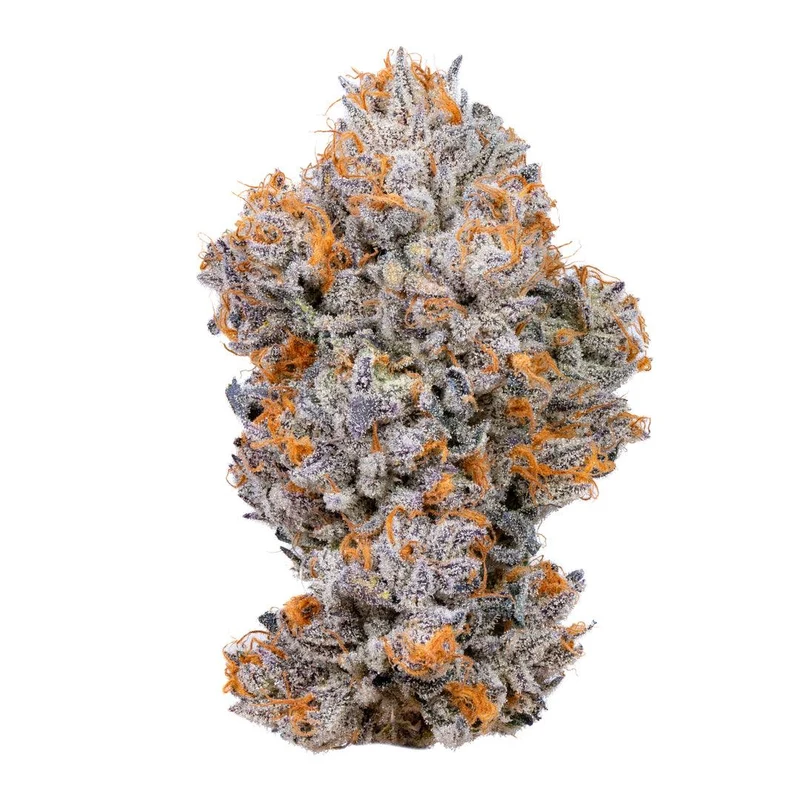
Gelato 41 Strain: Genetics, Effects, Flavor, THC & Terpenes Gelato 41 is one of the most recognizable names in modern cannabis, known for its dessert-like flavor profile, distinctive appearance, strong reputation for potency, and relaxing hybrid effects. Whether you’re researching the genetics behind this popular cultivar or looking for premium cannabis from Darwin Farms, this guide covers what makes Gelato 41 stand out. Also known as Gelato #41 or G41, this cultivar is commonly associated with the Sunset Sherbet and Thin Mint Cookies lineage. Consumer reports and strain databases commonly describe it as a relaxing, euphoric hybrid with sweet, floral, earthy, peppery, and dessert-inspired characteristics. Gelato 41 Key Takeaways Also known as: Gelato #41 and G41 Type: Hybrid Commonly reported genetics: Sunset Sherbet × Thin Mint Cookies Reported effects: Relaxed, euphoric, happy, tingly Common flavor notes: Lavender, pepper, floral, earthy, sweet, berry and citrus Commonly reported terpenes: Caryophyllene, limonene and myrcene Potency: Often described as above average, although cannabinoid levels vary by grower and batch Best known for: Dessert-like flavor, dense trichome coverage and a relaxing hybrid experience Gelato 41 at a Glance Characteristic Gelato 41 Common name Gelato 41 / Gelato #41 / G41 Type Hybrid Genetics Sunset Sherbet × Thin Mint Cookies Reported effects Relaxed, euphoric, happy, tingly Flavor Floral, peppery, sweet, earthy and fruit-forward Leading terpenes Caryophyllene, limonene and myrcene Appearance Dense, frosty buds with green, purple and orange tones What Is Gelato 41? Gelato 41 is a modern hybrid cannabis cultivar associated with the Gelato family. Leafly identifies Gelato #41 as a hybrid and lists Sunset Sherbet and Thin Mint Cookies as its parents. Weedmaps similarly identifies the strain’s parents as Sherbet and Thin Mint Cookies and describes Gelato 41 as a prized phenotype from the original Gelato family. What makes Gelato 41 particularly interesting is the combination of its genetics, appearance, aroma and reported effects. Rather than being known for just one characteristic, it has developed a reputation around the entire experience—from frosty, colorful buds to creamy, floral and peppery flavor notes. If you’re interested in trying the cultivar itself, you can explore the Gelato 41 strain from Darwin Farms. What Does Gelato 41 Mean? The name Gelato 41 refers to one of the numbered Gelato phenotypes. It is also frequently written as Gelato #41 or shortened to G41. The number helps distinguish this particular selection from other Gelato phenotypes. While several cultivars share the Gelato name, Gelato 41 has developed its own identity because of its specific genetic selection and characteristic terpene and effect profile. The History and Origin of Gelato 41 Gelato 41 is closely connected with the California cannabis breeding scene and the broader Gelato family. Its commonly documented lineage combines Sunset Sherbet with Thin Mint Cookies, two influential parents associated with the dessert-style cannabis genetics that became increasingly popular in modern cannabis culture. Weedmaps describes Gelato 41 as a standout selection from the Gelato family, while Leafly identifies it as a hybrid created from Sunset Sherbet and Thin Mint Cookies. Different cultivators may offer their own versions or phenotypes, so the exact expression can vary between batches. Gelato 41 Genetics The commonly documented genetics of Gelato 41 are: Sunset Sherbet × Thin Mint Cookies This combination helps explain the cultivar’s dessert-oriented reputation. Sunset Sherbet is associated with sweet, fruity and creamy characteristics, while Thin Mint Cookies contributes to the broader Cookies family genetic background. Because cannabis phenotypes can vary, not every Gelato 41 flower will smell, taste or test exactly the same. Growing conditions, cultivation methods, harvest timing, curing and phenotype selection can all influence the final expression. Is Gelato 41 Indica or Sativa? Gelato 41 is generally classified as a hybrid. However, databases can disagree on whether a particular version leans slightly indica or sativa. For that reason, the hybrid classification is more useful than assigning a rigid indica-to-sativa percentage. The reported experience is commonly described as combining mental euphoria with a noticeable sense of physical relaxation. What Does Gelato 41 Look Like? Gelato 41 is known for an eye-catching appearance. Quality examples can display dense buds covered in visible trichomes, with shades ranging from bright or deep green to purple, accompanied by orange or copper-colored pistils. The heavy trichome coverage contributes to the frosty appearance that many consumers associate with premium Gelato genetics. When evaluating flower, appearance should be considered alongside aroma, freshness, cultivation quality and laboratory testing rather than being used as the only indicator of quality. What Does Gelato 41 Smell Like? The aroma of Gelato 41 can vary depending on the phenotype and cultivation process, but commonly reported characteristics include sweet, floral, earthy, citrus, berry, pine and diesel-like notes. Some expressions emphasize the creamy dessert character associated with Gelato genetics, while others may lean more strongly toward pepper, earth or gas. What Does Gelato 41 Taste Like? Gelato 41 is particularly popular among consumers who appreciate complex flavor profiles. Leafly lists lavender, pepper and floral among its leading reported flavors, while Weedmaps lists earthy, diesel and flowery characteristics and also notes berry, citrus and pine in its broader profile. This means the experience can range from sweet and floral to earthy and gassy depending on the specific flower. Gelato 41 Terpene Profile Terpenes are aromatic compounds that contribute to the smell and flavor of cannabis. They do not determine the overall experience by themselves, but they are an important part of a cultivar’s sensory identity. Terpene Common Characteristics Caryophyllene Often associated with peppery, spicy and woody aromas Limonene Commonly associated with citrus and bright aromatic notes Myrcene Often associated with earthy, herbal and musky aromas Leafly currently identifies caryophyllene, limonene and myrcene among the leading terpenes listed for Gelato #41. Individual batches can differ, so a laboratory certificate of analysis is the best way to determine the actual terpene profile of a specific product. Gelato 41 Effects Consumer-reported experiences commonly describe Gelato 41 as relaxing, euphoric, happy and tingly. Leafly currently lists relaxed, aroused and tingly among its top reported effects, while Weedmaps reports relaxed, […]
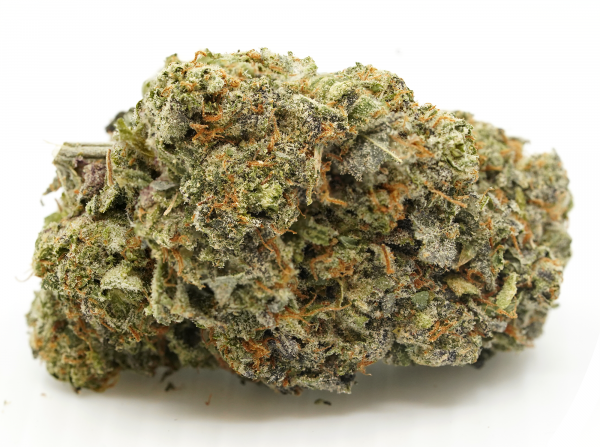
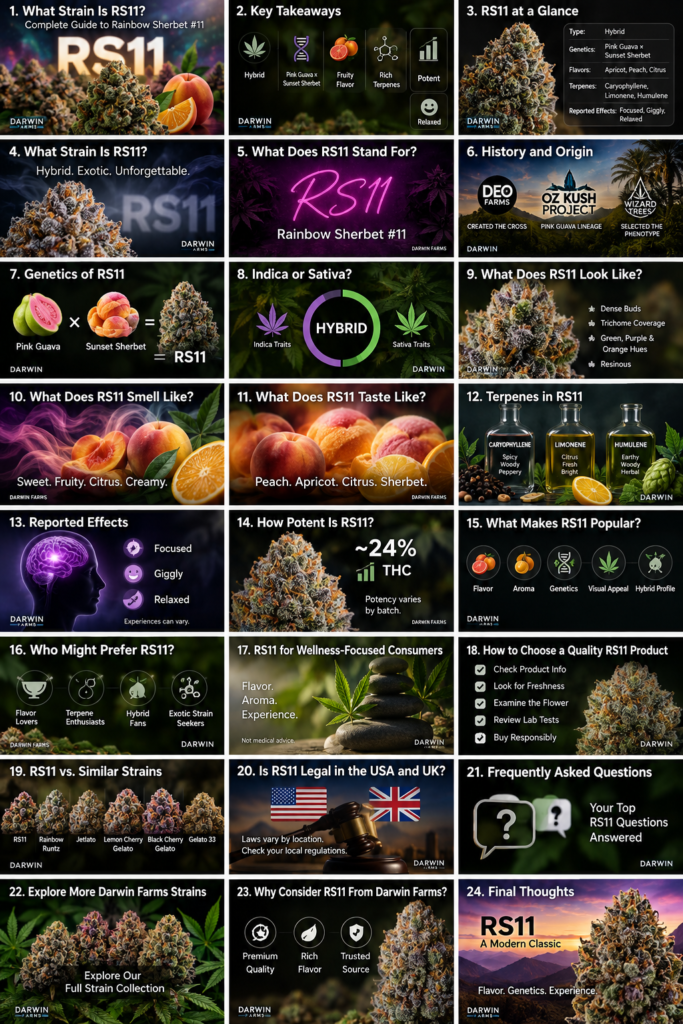
What Strain Is RS11? Complete Guide to Rainbow Sherbet #11 What strain is RS11? RS11, also known as RS-11 or Rainbow Sherbet #11, is a modern hybrid cannabis strain known for its fruit-forward flavor, distinctive aroma, colorful flower, and complex terpene profile. At Darwin Farms, we focus on helping adult cannabis consumers explore modern strains and understand their genetics, flavor profiles, aromas, and product characteristics. The commonly documented lineage of RS11 is Pink Guava × Sunset Sherbet. Leafly currently lists RS11 as a hybrid and identifies apricot, peach, and citrus among its leading reported flavors, with caryophyllene, limonene, and humulene among its listed terpenes. For adult consumers interested in modern exotic flower, RS11 stands out for its combination of genetics, flavor, aroma, and reported effects. This guide explores everything you need to know about the cultivar, including its origins, appearance, terpene profile, potency, reported effects, and how it compares with other popular strains. If you’re considering RS11, you can also explore the RS11 product at Darwin Farms to see the current product information. RS11 Key Takeaways RS11 is also known as RS-11 and Rainbow Sherbet #11. It is generally classified as a hybrid. Its commonly documented lineage is Pink Guava × Sunset Sherbet. Reported flavor characteristics include apricot, peach, and citrus. Caryophyllene, limonene, and humulene are among its listed prominent terpenes. Leafly’s current community information lists focused, giggly, and relaxed among reported effects. Cannabinoid and terpene levels can vary between products and batches. RS11 may appeal to adults who prioritize distinctive flavors, aromas, and modern cannabis genetics. RS11 Strain at a Glance Characteristic RS11 Also known as RS-11, Rainbow Sherbet #11 Type Hybrid Commonly documented genetics Pink Guava × Sunset Sherbet Reported flavors Apricot, peach, citrus Listed prominent terpenes Caryophyllene, limonene, humulene Reported effects Focused, giggly, relaxed Product type Cannabis flower These characteristics describe the cultivar generally. The actual cannabinoid and terpene profile can vary depending on genetics, cultivation, harvest, processing, storage, and the individual batch. What Strain Is RS11? RS11 is a hybrid cannabis strain commonly known as RS-11 or Rainbow Sherbet #11. Leafly’s RS11 profile identifies Pink Guava and Sunset Sherbet as the parents associated with RS11 and attributes its creation to DEO Farms. It also notes that Wizard Trees selected the RS-11 phenotype. The cultivar has become particularly recognizable within modern cannabis culture because of its combination of fruit-forward characteristics and exotic genetics. Rather than relying solely on the strain name, consumers should consider the actual product’s cannabinoid information, terpene profile, freshness, and laboratory results where available. What Does RS11 Stand For? RS11 is generally associated with Rainbow Sherbet #11. The number refers to the particular selection or phenotype that became associated with the RS11 name. Cannabis plants originating from related genetics can develop different characteristics, including differences in aroma, flavor, appearance, structure, and chemical composition. This is why a particular phenotype can eventually become recognized as a distinct cultivar. You may encounter several variations of the name, including: RS11 RS-11 Rainbow Sherbet #11 Rainbow Sherbert #11 Rainbow Sherb #11 The spelling can vary between sources, but RS11 is one of the most commonly used names. The History and Origin of RS11 RS11 is connected to DEO Farms, the OZ Kush project, and Wizard Trees. According to Leafly, RS11 was developed by crossing Pink Guava with Sunset Sherbet, while Wizard Trees selected the RS-11 phenotype. Pink Guava itself is associated with the OZ Kush project and has been used in the development of multiple modern cultivars. Leafly’s Pink Guava profile identifies it as part of the genetics behind RS-11, RS-54, and Zoap. As modern cannabis breeding has developed, cultivars such as RS11 have gained attention for characteristics beyond traditional indica and sativa classifications. Flavor, aroma, terpene expression, appearance, and specific genetics have become increasingly important to consumers. What Are the Genetics of RS11? The commonly documented RS11 cross is: Pink Guava × Sunset Sherbet This lineage is widely associated with the RS11 name, although you may find different genetic descriptions across cannabis websites. Some of these differences come from the broader ancestry of the parent strains and the way individual sources describe cannabis genetics. For that reason, the most useful approach is to distinguish between the commonly documented RS11 lineage and less consistently reported descriptions. Is RS11 Indica or Sativa? RS11 is generally classified as a hybrid cannabis strain. Leafly currently categorizes RS11 as a hybrid rather than exclusively indica or sativa. Some sellers may describe the strain using different indica or sativa percentages. These classifications can vary, particularly with modern cultivars that have complex breeding histories. For consumers, the actual cannabinoid and terpene profile of a particular product can provide more useful information than relying solely on an indica or sativa label. What Does RS11 Look Like? RS11 can have strong visual appeal, although its appearance can vary between growers, phenotypes, harvests, and storage conditions. Well-presented flower may feature: Dense or compact buds Noticeable trichome coverage Green coloration Darker or purple tones Orange or reddish pistils A visibly resinous surface Appearance can help consumers evaluate the presentation of flower, but it should not be used alone to determine potency or quality. Freshness, product information, cultivation standards, and laboratory testing are also important considerations. What Does RS11 Smell Like? Aroma is one of the characteristics that makes RS11 particularly interesting to flavor-focused consumers. Leafly currently identifies apricot, peach, and citrus among its leading reported flavor characteristics. Depending on the specific product and batch, you may notice combinations of: Sweet fruit Peach Apricot Citrus Candy-like sweetness Creamy notes Earthy undertones Spicy characteristics The exact aroma can vary depending on cultivation, curing, storage, phenotype, and terpene concentration. What Does RS11 Taste Like? RS11 is generally associated with a fruit-forward flavor profile. Its reported characteristics can include: Sweet fruit → peach and apricot → citrus → sherbet-like sweetness → earthy or spicy finish Leafly currently lists apricot, peach, and citrus among the strain’s leading reported flavors. The flavor of an individual product can vary considerably, so consumers who […]